Persimmon
Persimmon Lumber
PHOTO |
|
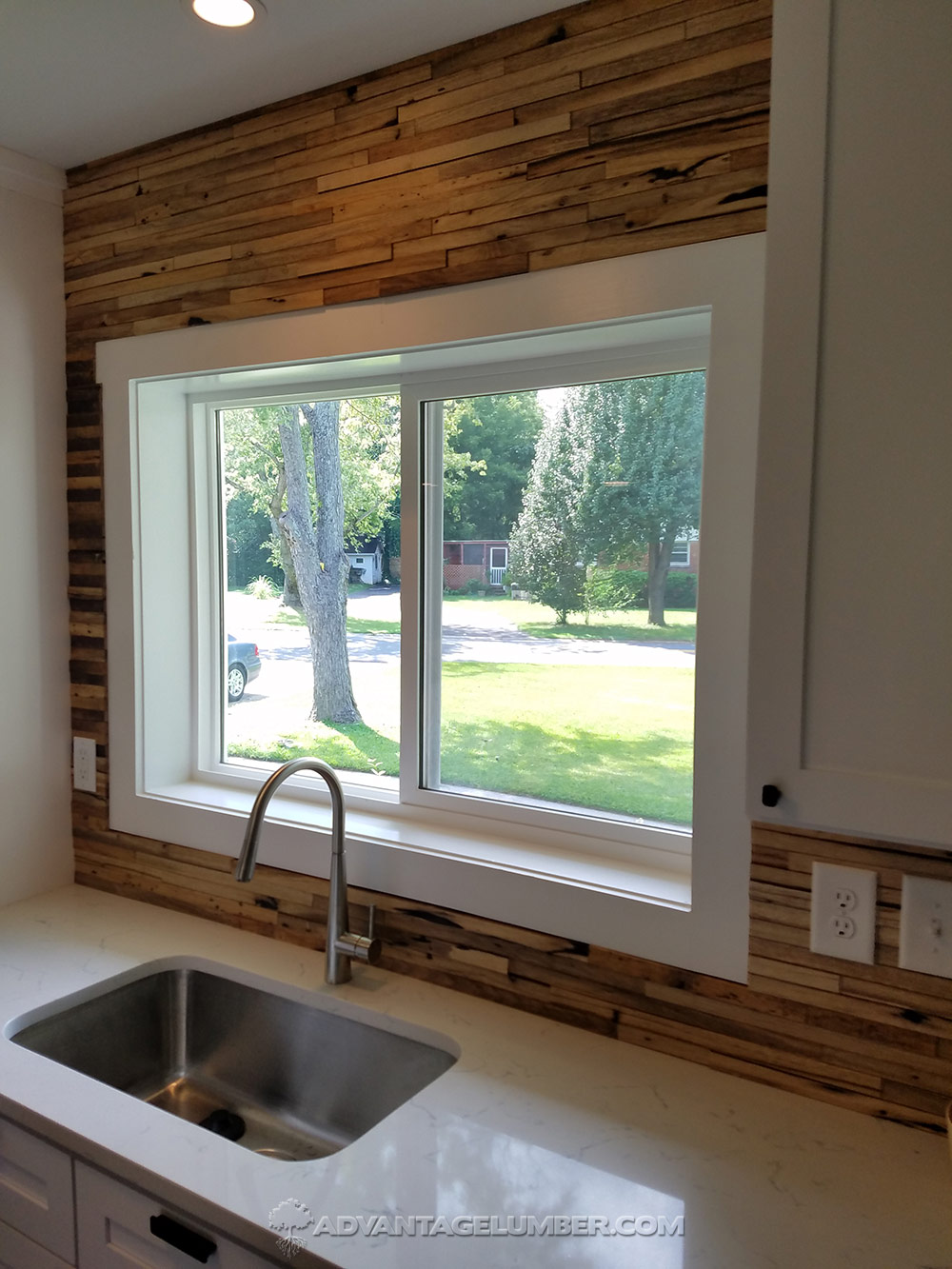
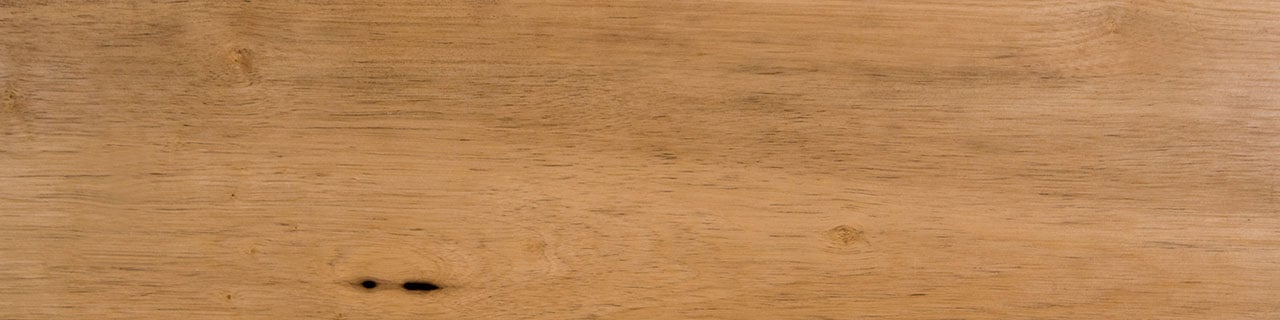
| DESCRIPTION | Persimmon lumber typically includes very wide sapwood, with a small core of black heartwood. When freshly cut, sapwood is creamy white and darkens to a creamy grayish brown. The heartwood is brown to black, or variegated black brown and creamy pale colors. Persimmon is a true ebony related to the prestigious Macassar and African black ebony. We have our persimmon sorted into two categories a "black heart" and regular persimmon. The black heart persimmon has a large portion of heartwood displaying awesome contrast similar to the south east Asian black and white ebony. |
| COUNTRY OF ORIGIN |
North America |
| BOTANICAL NAME | Diospyros virginiana |
| OTHER NAMES | American ebony, Common persimmon, Bara-bara, Boa-wood, Butterwood, Cylil date plum, Possum wood, Virginia date palm, White ebony |
| MECHANICAL PROPERTIES | Persimmon lumber is extremely hard, dense, & resistant to wear. It is elastic enough to be used for golf clubs. High crushing and bending strength with medium stiffness. |
| BENDING STRENGTH | 18,600 psi |
| WORKING PROPERTIES | Persimmon wood can be turned with sharp hand tools. Has a moderate blunting effect on cutting edges. A smooth finish can be obtained with a reduced cutting angle when machine planing. Pre-boring is required for both screwing and nailing. Gluing can be difficult. |
| USES | Persimmon wood uses include golf clubs, drum sticks, musical instruments, tool handles, turnery, flooring, furniture, and veneers. |
| COMMENTS | Due to high demand, call for Persimmon lumber availability. |
Persimmon Lumber Prices
Additional Photos